
Game of Thrones: Conquest ™
Warner Bros. International EnterprisesStrategy
4.328.67K Reviews
- Version
- 26.7.828559
- Installs
- 10.00M
- Age Rating
- Teen
Screenshots

Our Review of Game of Thrones: Conquest ™
 Analysis by Appyee
If you’re anything like me and can’t get enough of dragons, political intrigue, and epic battles, then Game of Thrones: Conquest ™ might just be your new favorite mobile game. I dove headfirst into this fantasy world to see if it lived up to the grandeur of the TV series, and let me tell you, it’s quite the adventure.
When One Phone Becomes a Shared Kingdom
I can see this strategy game working well in a household where one person enjoys checking in throughout the day and another likes discussing plans, even if they do not both play. A quick conversation about whether to spend resources on the settlement or prepare for a fight gives the game a social angle beyond its in-game alliances. That said, the kingdom is a personal project, not a shared board game: I would not pass one account around casually, because a well-meant tap can spend resources or change a plan.
A realistic routine might be checking in during a quiet moment, collecting yourself around the next task, then leaving the game until you have time to think through a larger decision. That rhythm suits a persistent kingdom better than trying to make every session a long gaming event. If several people in a home want to play, I’d keep each person’s decisions and account access clear rather than treating progress as a communal save.
Setting Boundaries Before the Battles
The game is free to download, but it includes in-app purchases priced from $0.99 to $99.99 per item. That range makes it worth agreeing on a spending boundary before handing a device to someone else, especially if payment details are already available on the device. I would treat purchases as an adult decision rather than assuming that a free starting point means there is no spending pressure.
There is also a practical time boundary to consider. Strategy games can make one more task feel tempting, particularly when you are weighing resources, troop preparation, or an alliance plan. I find it easier to enjoy this kind of game when I decide in advance whether I’m making a brief check-in or settling in for a longer session. That keeps a casual visit from turning into an unplanned stretch of play.
On Android, the listed minimum operating-system requirement is version 7.0. The current version is 26.2.822288, so I would check that a device is compatible and has room for the game before planning a shared install. For iOS players, the right practical step is to check compatibility in the relevant store before downloading rather than assuming the Android requirement applies there.
Coordinating Without Losing Your Own Plan
Alliances are the most natural place to coordinate with other players. Chat and joint attacks can turn a solitary building routine into a group commitment, but they also mean that timing and communication matter. I would join an alliance because I want the social strategy, not just because it sounds like a shortcut to faster progress. Before making a promise to participate, it helps to consider how often you want to check in and whether you can follow through.
A useful habit is to decide what your next priority is before opening alliance chat. If you enter with a clear aim—such as strengthening your position or saving resources for a particular need—it is easier to avoid being pulled into every request. The trade-off is that a self-directed approach can mean missing some of the momentum that comes from active group play. Players who enjoy coordinating plans will likely find that exchange worthwhile; people who prefer to play entirely alone may find the social layer less appealing.
Age, Trust, and Who Should Play
The game has a Teen content rating, and I would take that as a reason for parents and younger players to make the choice together rather than relying on the fantasy setting alone. The focus on conflict, rivalry, and military strategy may be fine for some teenagers but not a good fit for every household. I would also talk through in-app purchases and device use before letting a younger player make the game part of a daily routine.
Warner Bros. International Enterprises is the developer, and the game has an average rating of 4.3 from around 325,000 ratings, with over 10 million installs. Those figures suggest a substantial audience, but popularity does not tell me whether its persistent, social style will suit a particular player. I’d recommend it most to fans who enjoy managing a base and negotiating with other players. If you want a self-contained strategy campaign with a clear ending, or a game that asks little attention between sessions, I’d look elsewhere in the genre.
Building Your Kingdom
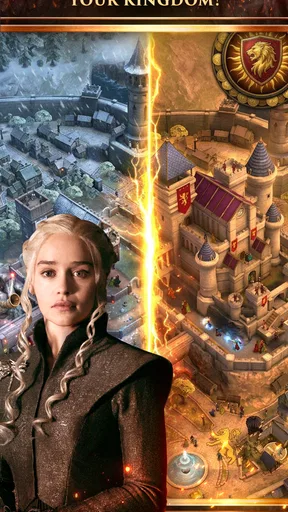
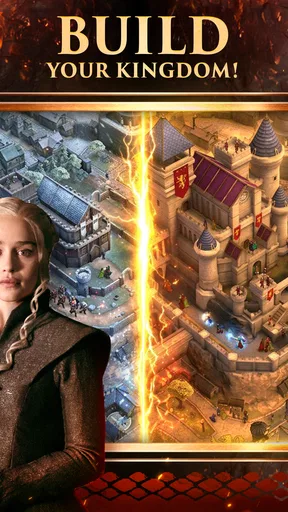
Right off the bat, you’re thrown into the fierce world of Westeros. The goal? To build your own House and claim the Iron Throne. Easier said than done, right? In Game of Thrones: Conquest ™, you start by constructing your kingdom from the ground up. The game offers a variety of buildings to construct, each with its own purpose. You’ll need to strategize which structures to prioritize based on your resources and goals.
One thing I found particularly engaging was the balance between resource management and military strategy. You’ve got to keep an eye on your supplies while also training troops. This dual focus keeps you on your toes and makes every decision feel impactful. It’s not just about building an empire; it’s about maintaining it.
The Art of War
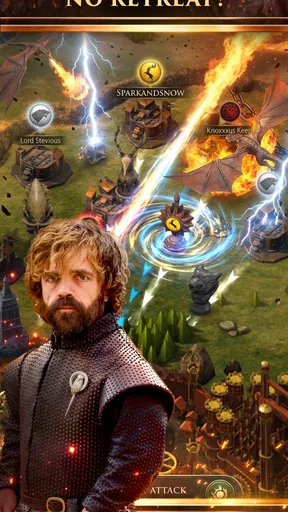
Of course, what would a Game of Thrones experience be without a bit of warfare? The battle mechanics in this game are straightforward yet satisfying. You’ll need to recruit a variety of troops and heroes to defend your territory and attack rivals. The game provides a nice array of units, each with unique strengths and weaknesses, allowing for some deep strategy planning.
Alliances play a crucial role here. Much like the show, forming alliances can make or break your success. I found the alliance system to be a fantastic way to connect with other players. You can chat, strategize, and even partake in joint attacks. It’s a social experience that adds another layer to the game.
Quests and Events
The game keeps things fresh with a slew of quests and events. These are not only fun but also essential for progression. Completing quests rewards you with resources, and participating in events can earn you unique items and heroes. I appreciated how these elements encourage exploration of the game’s mechanics and lore. Plus, they’re a great way to earn those much-needed resources without spending real money.
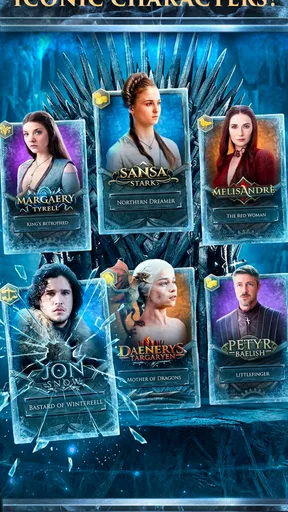
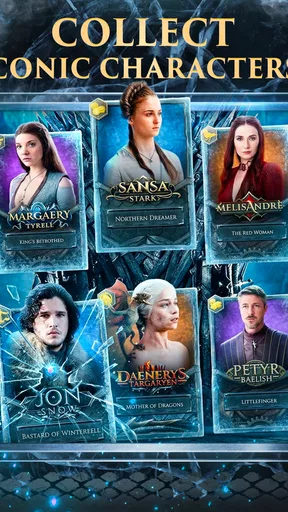
Speaking of lore, the game does a stellar job of incorporating the rich history of Westeros. You’ll encounter familiar faces and take part in events that fans of the series will recognize. It’s a treat for anyone who’s ever wanted to be part of that world.
Graphics and Sound
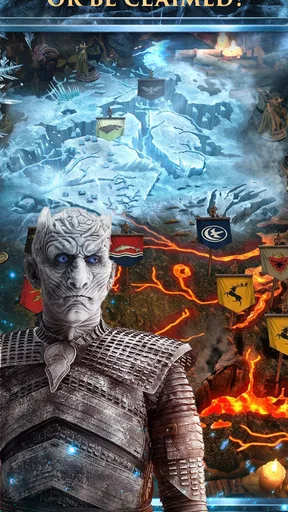
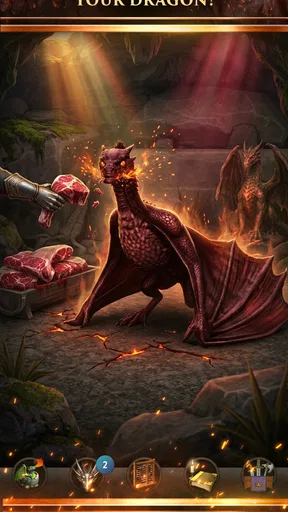
The visuals in Game of Thrones: Conquest ™ are impressive for a mobile game. The art style captures the essence of the TV series, with detailed environments and character models. The animations during battles are smooth and add to the excitement of the skirmishes.
Sound-wise, the game features a soundtrack that fits the epic nature of the series. It’s immersive and helps set the mood as you navigate the political and military challenges of Westeros. From the clashing of swords to the roar of dragons, the audio does not disappoint.
Final Thoughts
All in all, Game of Thrones: Conquest ™ is a thrilling journey for fans of the series and strategy game lovers alike. It offers a robust mix of empire-building, tactical warfare, and social interaction. Whether you’re a casual gamer or a hardcore strategist, there’s something here for you.
Sure, there are in-app purchases, but the game is generous enough with its resources that you can enjoy the experience without opening your wallet. It’s not perfect—there are moments when the game can feel grindy—but the allure of claiming the Iron Throne keeps you coming back.
So, if you’re ready to stake your claim in the world of Westeros, download the game and start building your legacy. Who knows, you might just end up ruling the Seven Kingdoms.
Is This the Right Kind of Strategy Game?
Compared with a turn-based strategy game, where I can often finish a match and put the board away, this kingdom-building experience is more about ongoing development and relationships. That makes it a better fit for someone who enjoys gradual progress, revisiting a settlement, and making plans with an alliance. If you prefer to solve a self-contained tactical puzzle without waiting on a larger game world or coordinating with other people, a traditional turn-based title is likely a better match.
The same distinction matters for time. I would not choose this as my go-to game for a five-minute queue if I need a clean stopping point every time. It can work as a short check-in, but the strategic decisions feel more satisfying when I have enough attention to consider what I’m building toward. New players should resist treating every available task as equally urgent: pick one near-term goal, learn how its resource demands affect the rest of the settlement, and then reassess. That simple approach makes the management side easier to read.
Small Choices That Make Progress Easier to Manage
One non-obvious trade-off is that resource flexibility matters as much as raw growth. Spending supplies as soon as they become available may make the settlement look busy, but keeping some in reserve gives you room to respond when military needs or a quest changes your priorities. I try to think of construction, troop training, and quest progress as competing claims on the same attention and materials rather than separate checklists. The best next move is the one that supports the goal I actually care about, not necessarily the one that can be completed immediately.
Quests and events are useful as more than reward sources. I treat them as prompts for learning what the game currently wants me to engage with, then decide whether those objectives fit my own plan. Chasing every event can make play feel like a string of errands; ignoring all of them can leave me without a convenient direction when I log in. A selective approach—checking what aligns with the kingdom I’m building and letting the rest pass—keeps the game from dictating every session.
For alliance play, I would read the social commitment as part of the strategy rather than an optional decoration. Chat can help players coordinate, but it also creates expectations around attention and participation. If I know I will be unavailable for a while, I would avoid promising to join a coordinated action and instead focus on tasks I can complete independently. That makes the group experience more dependable without requiring the game to become a household schedule.
What to Expect From the Long Run
The game first released on October 17, 2017, and its current version is 26.2.822288. For a prospective player, the practical takeaway is that this is an established live strategy game rather than a short campaign built around a final stage. I would start with the expectation of ongoing development and repeated decisions, not a quick story that wraps up after a few evenings. The Teen rating is also worth weighing in a family setting, while purchases should be discussed separately from the question of whether the fantasy conflict is appropriate.
Its free entry makes it easy to try, but the purchase range is broad enough that I would keep spending deliberate. You can begin without paying, and quests can provide a route to resources, yet the presence of purchasable items means players should not assume that every advantage or convenience will arrive at the same pace. I would first learn which parts of the routine I genuinely enjoy before considering any purchase. If progress starts to feel like a chore, paying more is unlikely to fix the underlying mismatch.
A Household Verdict With Clear Expectations
For a household, I’d recommend the game when one person is happy to own the account and others can enjoy talking through choices without sharing control. It is especially appealing to a player who likes Westeros, long-term base management, and the unpredictable social dimension of alliances. A parent can make a better decision by considering the Teen rating, the combat-focused setting, the player’s maturity, and a clear plan for purchases and playtime together.
I would skip it for a younger player who cannot manage purchase boundaries, for someone who wants a completely private solo experience, or for anyone who dislikes persistent games that reward returning and coordinating. It is also not my first pick when I want a neat, finishable strategy session; a single-player tactics game is easier to pause and leave behind. But if the idea of shaping a House, balancing supplies with military plans, and sharing the occasional alliance decision sounds enjoyable, this is a distinctive way to spend time in Westeros. I’d give it a try with realistic expectations: enjoy the world and the planning, keep your own pace, and treat spending and shared-device access as choices to manage rather than assumptions.
Verdict
Strengths of Game of Thrones: Conquest ™
- Immersive Westeros world-building
- Strategic gameplay with alliances
- Frequent updates and events
- High-quality graphics and sound
- Engaging storyline and quests
Limitations of Game of Thrones: Conquest ™
- In-app purchases can be costly
- Requires a stable internet connection
- Time-consuming resource management
- Occasional server lag issues
- Limited offline gameplay options
Other Releases by Warner Bros. International Enterprises
View All
Injustice: Gods Among Us
Action4.3

LEGO® Star Wars™: TFA
Adventure3.5

Injustice 2
Action4.3

Heads Up!
Word4.5
Similar Picks in This Category
View All
Clash of Clans
Supercell4.5

Plants vs. Zombies™
ELECTRONIC ARTS3.7

Lords Mobile: Kingdom Wars
IGG.COM4.5

Clash Royale
Supercell4.4

State.io — Conquer the World
CASUAL AZUR GAMES4.1

Car Driving School : Car Games
Spark Game Studios3.9
Frequently Asked Questions
What is Game of Thrones: Conquest™ about?
Game of Thrones: Conquest™ is a strategy-based mobile game where players can immerse themselves in the world of Westeros. As a lord or lady, you must build your house, forge alliances, and engage in battles to claim the Iron Throne. The game offers a rich narrative experience with characters and events inspired by the hit TV series.
Can I play Game of Thrones: Conquest™ for free?
Yes, Game of Thrones: Conquest™ is free to download and play. However, it offers in-app purchases that can enhance gameplay, such as buying resources, speed-ups, and exclusive items. While not necessary to progress, these purchases can provide a competitive edge in battles and kingdom-building.
What platforms is Game of Thrones: Conquest™ available on?
Game of Thrones: Conquest™ is available for both Android and iOS devices. You can download it from the Google Play Store for Android or the Apple App Store for iOS. Ensure that your device meets the app's system requirements for optimal performance and gameplay experience.
How important are alliances in Game of Thrones: Conquest™?
Alliances play a crucial role in Game of Thrones: Conquest™. Forming alliances with other players can provide strategic advantages, such as shared resources, protection during attacks, and coordinated assaults on enemies. Strong alliances can significantly enhance your chances of survival and success in conquering the Iron Throne.
Is Game of Thrones: Conquest™ suitable for all ages?
Game of Thrones: Conquest™ is rated for players aged 14 and up due to its strategic complexity and themes of combat and conquest. The game features content related to war and political intrigue, consistent with the mature themes of the Game of Thrones series, so parental discretion is advised.
Play our best games!


